

النمو/اليوم الأول المعدَّل/مهام الوافدين الجدد
|
Newcomer tasks
 Recommend tasks to newcomers that help them start editing
|

تشرح هذه الصفحة عمل فريق النمو في مشروع "مهمات الوافدين الجدد"، والذي يندرج ضمن المبادرة الأشمل "اليوم الأول المعدل". تحتوي الصفحة على أهداف وخطط وقرارات ونتائج. سيتم نشر معظم التحديثات التدريجية الجاري عليها العمل في الصفحة العامة لـتحديثات فريق النمو، مع نشر بعض التحديثات الكبرى أو المخصصة هنا.
يمكنكم الاطلاع بإيجاز على ما يقوم الفريق بإنشائه من خلال هذه النماذج التجريبية (استعملوا الأسهم للتنقل):
بدأ التصميم والتخطيط لهذا المشروع في 24-07-2019 تم نشر النسخة الأولى في أربع ويكيبيديات يوم 20-11-2019.
في ديسمبر 2020، نشرنا النتائج التي تظهر التأثير الإيجابي على مدى التزام الوافدين الجدد. شاهدوا هذه الصفحة للمزيد من التفاصيل.
الوضع الحالي
- 2019-07-24: الاجتماع الأول للفريق لمناقشة مهام الوافدين الجدد
- 2019-08-27: اجتماع الفريق لتحديد ومناقشة التصميمات.
- 2019-09-09: إنشاء مهام فبريكتور للأعمال الهندسية
- 2019-09-23: انتهى اختبار نسخة سطح المكتب
- 2019-09-30: انتهاء اختبارات مستخدمي الهاتف الجوال
- 2019-11-20: اصدار 1.0 منشور في الويكيبيديات التشيكية والكورية والعربية والفيتنامية
- 2019-12-13: أوّل خيار للاختبار («استهلال») منشور على الويكيبيديات التشيكية والكورية والعربية والفيتنامية
- 2020-01-14: اختبار لتجميع مطابقة المواضيع، تم نشره في أسبوع 20-01-2020.
- 2020-01-21: تمت إضافة خيار تحديد مواضيع الاهتمام لوحدة التعديلات المقترحة
- 2020-03-05: تم تحديث مطابقة المواضيع باستخدام نماذج ORES
- 2020-04-03: نتائج اختبار الخيار الأوّل
- 2020-06-08: تم تحويل كل المستخدمين إلى الخيار أ
- 2020-06-15: تم نشر التوجيه
- 2020-10-19: تم نشر الخيارين س وج
- 2020-11-20: Published Newcomer tasks experiment analysis
- التالي: Continue improvements to Newcomer tasks and possibly develop new Structured tasks
ملخص

نعتقد أن للوافدين الجدد الحق في كل الفرص للنجاح عندما يصلون لأول مرة إلى الويكي. لكن، وبصفة متكررة، يحاول الوافدون الجدد القيام بأعمال تعدّ صعبة، أو لا يجدون مهمة يحبون القيام بها، أو لا يجدون أفكارا تبقيهم مهتمين ومعنيين بالمشروع بعد تعديلهم الأول. مما يفضي إلى هجر الكثير منهم وعدم عودتهم. هنالك محاولات ناجحة في الماضي في توكيل مهمات للمحرّرين، لذلك نعتقد أن لوحة المستخدم للوافد الجديد مكان واعد لتوصية المهام المثلى للوافدين الجدد.
سنحتاج إلى مراعاة بعض الأشياء:
- العديد من الوافدين الجدد يحملون أمورا محددة في أذهانهم يريدون القيام بها، كاضافة صورة إلى مقالة محددة. لا نريد أن نعترض طريقهم في تحقيق مبتغاهم.
- ينشئ الوافدون الجدد مهاراتهم مع مرور الوقت عند يرتقون من المهمات السهلة إلى الأصعب.
- عندما ينجح الوافدون الجدد في وقت مبكر، يصبحون أكثر تحمسًا لمواصلة التحرير.
بأخذ عين الاعتبار هذه الأشياء، نريد توصيات للمهمات للوافدين الجدد التي ستظهر في المكان والوقت المناسبين، والتي ستعلمهم مهارات سيحتاجونها للنجاح، والتي تتماشى مع اهتماماتهم.
لدينا أداة قيّمة وهي الاستطلاع الترحيبي، لتساعد على تحديد المهمات للوافدين الجدد، والتي تم انشاؤها تحديدا لهذا الغرض: تخصيص تجربة الوافد الجديد. سنستخدم المعلومات الاختيارية المقدمة من قبل الوافدين الجدد التي تخص أهدافهم واهتماماتهم لنتمكن من توصية المهام التي تناسبهم.
من أكبر التحديات سيكون كيف نجمّع المهمات التي ستناسب الوافدين الجدد. هنالك العديد من المصادر الموجودة، كقوالب الصيانة التي تدعو إلى العمل على المقالات، كتوصيات أداة ترجمة المحتوى، أو كاقتراحات أدوات مثل البحت عن مصادر. السؤال الذي سيطرح هو أيّ من هذه الخيارات سيساعد الوافدين الجدد في تحقيق أهدافهم.
في البداية، سنركز على استخدام لوحة المستخدم للوافد الجديد كمكان لتوصية المهمات، لكن على المدى الطويل، يمكن أن نتخيّل إنشاء ميزات في تجربة التحرير للتوصية ولمساعدة الوافدين الجدد في إنهاء المهمات الموصاة إليهم.
علي المدى الطويل كذلك، سنفكر في طريقة ما لدمج توصية المهمات مع أجزاء أخرى من تجربة المستخدم الجديد، كـوحدة التأثير على الصفحة الرئيسية، أو على لوحة المساعدة.
لماذا أعطينا الأهمية إلى هذه الفكرة
نعلم من خلال البحث والتجربة أن العديد من المستخدمين الجدد يفشلون مبكرا في رحلتهم التحريرية نظرا لأحد الأسباب التالية:
- يأتي الوافدون الجدد مع تحديات كبيرة في أذهانهم، كإنشاء مقالة جديدة أو إضافة صورة. هاته المهام هي صعبة لدرجة أنهم غالبا ما يفشلون فيها فلا يعودون.
- يأتون بدون معرفة ماذا سيعدلون، ولا يجدون تعديلات يقومون بها.
We also know that on the newcomer homepage, the most frequently clicked-on module is the "user page" module -- the only thing on the page that encourages users to start editing. This makes us think that many users are looking for a clear way to get started with editing.
And from past Wikimedia endeavors, we've seen that task recommendations can be valuable. SuggestBot is a project that sends personalized recommendations to experienced users, and is a well-received service. The Content Translation tool also serves personalized recommendations based on past translations, and has been shown to increase the volume of editing.
For all these reasons, we think that recommending specific editing tasks for newcomers will give them a clear way to get started. For those newcomers that have an edit in mind that we want to do, we'll encourage them to try some easy edits first to build up their skills. For those newcomers who do not have a specific preference on what to edit, they'll hopefully find some good edits from this feature.
مصطلحات
There are many terms that sound similar and can be confusing. This section defines each of them.
- "Newcomer tasks"
- The entire workflow that recommends edits for newcomers and guides them through the edits.
- "Suggested edits"
- The name of the specific module that the newcomer tasks workflow adds to the newcomer homepage.
- "Task recommendations" or "Task suggestions"
- Lists of articles that need editing work, suggested automatically to users.
- "Personalized"
- Software that adapts automatically to each user to fit their needs.
- "Customized"
- Software that the user adapts to fit their needs.
- "Topic"
- A content subject, such as "Art", "Music", or "Economics".
- "Topic matching"
- The ability to find tasks for newcomers that match their topics of interest.
- "Guidance"
- Features that help the newcomer complete the suggested task while they are working on it.
- "Maintenance template"
- Templates that are put on articles indicating that work needs to be done on them.
توصية مهام
The core challenge to this project is: Where will the tasks come from and how will we give the right ones to the right newcomers?
The graphic below shows our priorities when recommending tasks to newcomers.

As shown in the graphic above, we would give newcomers tasks that...
- ...arrive at the right time and place for a newcomer's journey.
- ...teach relevant conceptual and technical skills.
- ...gradually guide users to build up their editing abilities.
- ...be personalized to their interests.
- ...show them the value and impact of editing.
- ...motivate them to participate continually.
For instance, we do not want to give newcomers tasks that are irrelevant to what they hope to accomplish. If a newcomer wants to write a new article, then asking them to add a title description will not teach them skills they need to be successful.
We're splitting this challenge into two parts: the sourcing the tasks and topic matching.
مصدر المهام
There are many different places we could find tasks for newcomers to do. Our team listed as many as we could think of and evaluated them for whether they seem to be achievable for the first version of the feature. Below is a table showing the many sources of tasks that we evaluated in coming to the decision to start by using maintenance templates.
| Source of task | Explanation | Evaluation |
|---|---|---|
| Maintenance templates | Most wikis use templates or categories to indicate articles that need copyediting, references, or other modifications. These are placed manually by experienced users. | Easily accessible. Already used in SuggestBot and GettingStarted. |
| Work on newest articles | New articles may be good candidates for work because they likely could be improved or expanded. They are also more likely to be about current topics. | Easily accessible, but most new articles are created by experienced users, and may not need help from newcomers. |
| Add images from Commons | There are articles that have images in some language Wikipedias but not in others. This could be a good task for a newcomer who created their account in order to add an image of their own. | An idea with high potential, but would require a lot of work to build interfaces. There are also questions about how to identify whether an article needs an image, and which one to recommend. |
| Expand short articles | Many articles are stubs that could be expanded. | This task is probably too open-ended and difficult for a newcomer. |
| Link to orphan articles | Many articles have no incoming links from any other articles. Users could find articles to link to the orphan articles. | Easy to identify orphans, but may be confusing for a newcomer to have to go find other articles in order to do the task. |
| Add references | Many articles are in need of additional references or citations. | Probably a challenging task for a newcomer. Frequently covered by maintenance templates. |
| Add categories | Categories are used for many purposes on the wikis, and adding them to articles that don't have them could be a low-pressure way to contribute. | Newcomers may not have good judgment when it comes to adding categories. This also does not teach editing skills that they need for other tasks. |
| Content translation | The Content Translation tool could be a good way to structure the editing experience and help newcomers write new articles without having to generate all the content on their own. | An integration here could be great -- we may want to use the welcome survey to distinguish which newcomers are multilingual. |
| Add sections | There are algorithms in development that can recommend additional section headers based on similar articles. | Writing a new section from scratch may be too challenging a task for a newcomer. |
| Specific link recommendation | Adding wikilinks is one of the best tasks for newcomers. It would be powerful if we could not only tell a newcomer that an article needs more links, but indicate which specific words or phrases should become an link (internal and/or external, depending on local policies). | Some research has been done on this idea that the team will be looking into, as this idea could be a perfect first edit for a newcomer. |
| Specific copy edits | Many articles need copyediting, but it would be a better experience for newcomers if we could suggest specific changes to make in article, such as words that are likely misspelled or sentences that likely need to be rephrased. | While this would be an excellent experience for the newcomer, we don't have a way to approach this. Perhaps experienced could flag specific copy edit changes instead of fixing them. |
Version 1.0: basic workflow
In version 1.0, we will deploy the basic parts of the newcomer tasks workflow. It will recommend articles to newcomers that require different types of edits, but it will not match the articles to the newcomers' topics of interest (version 1.1), and it will also not guide the newcomers in completing the task (version 1.2).
Maintenance templates
We're going to be starting by using maintenance templates and categories to identify articles that need work. All of our target wikis use some set of maintenance templates or categories on thousands of articles, tagging them as needing copyediting, references, images, links, or expanded sections. And previous task recommendations software, such as SuggestBot, have used them successfully. These are some examples of maintenance categories:
- Articles needing links in Arabic Wikipedia
- Articles needing copyediting in Korean Wikipedia
- Articles needing references in Czech Wikipedia

In this Phabricator task, we investigated exactly which templates are present and in what quantities, to get a sense of whether there will be enough tasks for newcomers. There seem to be sufficient numbers for the initial version of this project. We are likely to incorporate other task sources from the table below in future versions.
It's also worth noting that it could be possible to supplement many of these maintenance templates with automation. For instance, it is possible to automatically identify articles that have no internal links, or articles that have no references. This is an area for future exploration.
During the week of October 21, 2019, the members of the Growth team did a hands-on exercise in which we attempted to edit articles with maintenance templates. This helped us understand what challenges we can expect newcomers to face, and gave us ideas for addressing them. Our notes and ideas are published here.
Design
Comparative review
Our team's designer reviewed the way that other platforms (e.g. TripAdvisor, Foursquare, Amazon Mechanical Turk, Google Crowdsource, Reddit) offer task recommendations to newcomers. We also reviewed Wikimedia projects that incorporate task recommendations, such as the Wikipedia Android app and SuggestBot. We think there are best practices we can learn from other software, especially when we see the same patterns across many different types of software. Even as we incorporate ideas from other software, we will still make sure to preserve Wikipedia's unique values of openness, clarity, and transparency. The main takeaways are below, and the full set of takeaways is on this page:
- Task types – bucket into 4 types: Rating content, Creating content, Moderating/Verifying content, Translating content
- Incentives – Most products offered intangible incentives mainly bucketed into the form of: Awards and ranking (badges), Personal pride and gratification (stats), or Unlocking features (access rights)
- Reward incentives – promote badges or attainments of specific milestones (e.g., a badge for adding 50 citations)
- Personalization/Customization – Most have at least one facet of personalization/customization. Most common customization is user input on surveys upon account creation or before a task, most common system-based personalization type is geolocalization
- Visual design & layout – incentivizing features (stats, leaderboards, etc) and onboarding is visually rich compared to pared back, simple forms to complete short edits.
- Guidance – Almost all products reviewed had at least basic guidance prior to task completion, most commonly introductory ‘tours’. In-context help was also provided in the form of instructional copy, tooltips, step-by-step flows, as well as offering feedback mechanisms (ask questions, submit feedback)
Mockups
Our evolving designs can always be found in two sets of interactive mockups (use arrow keys to navigate):
Those mockups contain explorations of all the difference parts of the user journey, which we have broken down into several parts:
- Gathering information from the newcomer: learning what we need in order to recommend relevant tasks.
- Feature discovery: the way the newcomer first encounters task recommendations.
- Task recommendations: the interface for filtering and choosing tasks.
- Guidance during editing: once the newcomer is doing a task, the guidance that helps them understand what to do.
- User feedback: ways in which the newcomer can indicate that they are not satisfied with the recommended task.
- Next edit: how we continue the user's momentum after the save an edit.
Below are some of the original draft design concepts as the team continues to refine our approach.
-
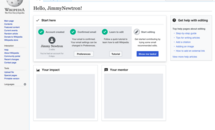 Mockup of possible location for newcomer tasks module
 -
 Mockup of initial state of module
 -
 Mockup of possible design for module
 -
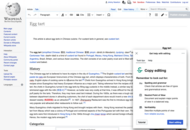 Mockup of guidance while doing a task using the help panel
 -
 Mockup of feedback element if a user does not complete a task


اختبار المستخدم
سطح المكتب
خلال أسبوع السادس عشر من سبتمبر 2019، استخدمنا usertesting.com للقيام بـ 6 اختبارات على نسخة سطح المكتب لأنموذج مهمات الوافد الجديد بالاشتراك مع مستخدمي انترنت من خارج حركة ويكيميديا. في هاته الاختبارات، تم الطلب من المستجوَبين تجربة الأنموذج، التعليق على ما شاهدوه، والاجابة عن أسئلة تخص تجربتهم. يمكن الإطلاع على النتائج كاملة في هاته المهمة على فبريكاتور. أهداف هاته الاختبارات كانت:
- قيس قابلية استكشاف وحدة مهمات الوافد الجديد
- تحديد ما يجب تحسينه من أجل استعمال أسهل لوحدة المهمات:
- هل يفهم المستخدمون كيف يختارون وكيف يراجعون المقالات المقترحة؟
- هل يفهم المستخدمون كيف يضعون مرشحا حسب الاهتمامات وصعوبة المهمات؟
- هل يعلمون كيف يبدؤون المساهمة في مقالة مقترحة؟
- قياس ردود فعل المستخدم ازاء المقترحات والانتظارات حول التوجيهات خلال المهمة.
- ملخص الموجودات
- اعتقد جميع المستخدمين أنه من المنطقي ومن البديهي الحصول على اقتراحات بناءً على موضوعاتهم التي يهتمون بها.
- على نفس النحو، مختلف مستويات الصعوبات تم قبولها بشكل ايجابي من قبل جميع المشاركين.
- في مجملها، كانت قابلية الاستخدام لوحدة التعديلات المقترحة عالية للغاية. عرف الأشخاص كيفية النقر لعرض المزيد من المقالات، واستخدام المرشح لتغيير الموضوعات ومستويات المهام، وعرفوا النقر فوق البطاقة لفتح اقتراح للتحرير.
- أربعة من ستة من المشاركين لم يدركوا في أول الأمر أن عليهم أن ينقروا على "انظر على التعديلات المقترحة" كطريقة لمساعدتهم ليتمكنوا من تحقيق هدفهم في كتابة مقالة جديدة. كان يبدو هذا نموذجا تفكيريا شائعا من خلاله ميّز المستخدمون "التعديل" كشكل مختلف عن "انشاء صفحة جديدة".
- وحدة البدء هي جليا نقطة البداية الأولى لجميع المستخدمين. علاوة على ذلك، تم استدراج الكثير منهم إلى زر "انظر إلى التعديلات المقترحة" كوسيلة لمتابعة تقدم الأنشطة في وحدة البدء.
- كان لدى المستخدمين فهم وتوقع واضحين بأنه ستُعرض عليهم مقالات مقترحة للتحرير بناءً على الحوار الذي تم في البداية لإضافة الموضوعات وتحديد مستويات صعوبة المهام.
- كل واحد كانت له القدرة على انتقاء المواضيع ذات الشعبية واضافة المواضيع الخاصة بهم بسهولة.
- فهم الجميع المغزى من وحدة التعديلات المقترحة.
- شخصان كانا مرتبكين/افترضا أنهما غير قادرين على انشاء مقالة جديدة ريثما ينهيا المهمات السهلة والمتوسطة الصعوبة.
- 5 أو 6 مشاركين تعلموا النقر على وحدة المساعدة لتوجيههم حينما كانوا داخل صفحة التعديل.
- أربعة أشخاص توقعوا امكاتية الاتصال بمرشديهم من داخل وحدة المساعدة.
- افتقرت نصائح المهمة إلى مستوى كافٍ من التوجيه لبعض المشاركين.
- التوصيات
- تحسين الكتابة وغيرها من تعليم المستخدم أن إنشاء محتوى جديد هو شكل من أشكال التحرير.
- جعل تحديثات لوحدة التأثير مثلما جرت تجربتها هنا لمساعدة المستخدم لاستيعاب المهمات المقترحة.
- توفير مساعدة ذات جودة أثناء التعديل. إنه من الهام جدا أن يجرب المستخدمون التعديل.
- تضمين "قائمة مراجعة" ليتمكن المستخدمون من الرجوع إليها عبر النصائح المهمة من لوحة المساعدة.
- تضمين أمثلة قصيرة لما يجب عمله.
- إشارة للمستخدمين أنه لا يجب عليهم النسخ والتعديل لكامل مقالة.
- إدراج مرشح آني لنتائج البحث سيساعد المستخدمين في وصل اقترحات مثل تعديل مقالات وتشجيع استعمال المرشح لإيجاد المقالات المترابطة.
هاتف جوال
خلال أسبوع الـ30 من سبتمبر 2019، استعملنا usertesting.com للقيام بستة اختبارات لانموذج مبدئي لمهمات الوافد الجديد على الجهاز المحمول. النتائج الكاملة يمكن الاطلاع عليها في هاته المهمة على فبريكاتور. الهدف من هذا الاختبار كان هو نفسه هدف اختبار نسخة سطح المكتب، لكن مع زيادة هدف يتمثل في فهم مدى ستكون التجربة على الهاتف المحمول مختلفة عن تلك على سطح المكتب. تمت مطالبة مختبري الهاتف المحمول بسيناريو إضافة صورة إلى ويكيبيديا (في حين مختبري سطح المكتب تمت مطالبتهم بإنشاء مقالة جديدة).
ملخص الموجودات
- وجد مجمل المستخدمين أن وحدة البدء (المعاد تصميمها) وضعت بوضوح الخطوات الإرشادية للبدء.
- وحدة "التعديلات المقترحة" الإضافية أدناه، على الرغم من أنها ليست مربكة بشكل خاص، لم تكن بعد، المكان المتوقع أن يذهب إليه المستخدمون لمساعدتهم في مهمة إضافة صورة.
- كانت التعديلات المقترحة سهلة الاستخدام، حيث فهم المشاركون كيفية عمل عناصرها المختلفة (الترشيح، رؤية المزيد من المقالات، إلخ). ومع ذلك، لا يرى المستخدمون قيمة إجراء تعديلات مقترحة تتجاوز التعلم أو الملل.
- أراد العديد من الأشخاص الحصول على المزيد من الموضوعات الدقيقة أكثر من الموضوعات العامة المدرجة.
- إن وجود معلومات مفصّلة عن مستويات الصعوبة كان تربويا، لكن يحتمل أن يكون مثبطًا. فوجئ الجميع بـأن "إضافة صور" تم تصنيفها على أنها صعبة، وبدرجات متفاوتة من الإحباط بشأن هذه الحقيقة.
- الترشيحات على ضوء الاهتمامات هو ورقة رابحة.
- افترض 3 أشخاص في نهاية الاختبار وجود بعض "التحقق" أو شرط للقيام ببعض المهام السهلة قبل أن يتم إنجاز المهام المتوسطة / الصعبة
- أدرك الجميع أن الغرض من التعديلات المقترحة هو إعطاء تعديلات من شأنها أن يتعلم المستخدمون عبرها التحرير، ويؤكدون أيضًا أنها أظهرت لهم أن بعض التعديلات كانت أكثر صعوبة في انجازها.
- عمل جاهدا جميع المستخدمين لاستخدام الإرشادات التي قدمناها من خلال لوحة المساعدة أثناء التحرير. هذا مجال رئيسي نحتاج إلى التفكير مليّا في التصميم قبل البدء في إنشائه.
التوصيات
- التعديلات المقترحة هي دعوة إلى العمل داخل وحدة البداية، وليست بطاقتها الخاصة.
- تحسين تحرير المستخدم تثقيفه بشكل أفضل عبر اقناعه أن هناك قيمة حقيقية في محاولة إجراء تعديلات مقترحة تتجاوز التعلم، وأن صعوبة المهمة هي دليل فقط ويمكن تجريب المهام خارج الترتيب.
- اضافة على، وجه الخصوص، تراكب لتقديم مقدمة مخصصة إلى التعديلات المقترحة.
- بما في ذلك التعداد الآني للنتائج التي تمت ترشيحها عبر كل من مرشحات المهمات مرشحات المواضيع.
- دمج المزيد من البحث الدقيق حسب موضوعات الاهتمام من قبل المستخدمين.
- تكرير عندما يفتح المستخدم اقتراحًا لمهمة، تكون حقيقة تعديلا فعالا.
- تطوير تصميم لوحة المساعدة في المهمة بحيث يمكن الوصول إلى جميع محتويات التعليمات المتاحة بوضوح.
إصدار 1.1: مطابقة المواضيع
أظهرت الدراسات والأبحاث السابقة أن المستخدمين غالبا ما يقومون بمهام إذا كانت تتطابق مع مواضيع اهتماماتهم. يستغل بوت الاقتراح التعديلات الماضية للمستخدمين ليجد مقالات مشابهة، وهاته النتائج الذكية تظهر على هذه الصفحة ليتم تشغيلها بصفة أكثر من النتائج العشوائية. تقترح أيضا أداة ترجمة المحتوى مقالات بناء على تاريخ الترجمات للمستخدم، وهاته الاقتراحات قامت بزيادة حجم الترجمات.
عندما ننظر في عمل الإصدار 1.0 لمهام الوافدين الجدد، والذي لا يشمل مطابقة المواضيع، نلاحظ أنه هنالك مستخدمون يتصفحون العديد من المقالات المقترحة، وينتهون بعدم النقر على أيّ منها. أيضا نلاحظ أنه هنالك من يتصفح العديد من المقالات، وينتهون بتعديل إلا المقالات في موضوع معيّن، مثل الطب. هنالك أيضا مؤشرات جيدة حول أن المواضيع يمكن أن تكون ذات قيمة لمساعدة الوافدين الجدد لإيجاد مقالات يريدون تعديلها.
تحدياتنا مع الوافدين الجدد تتمثل في "مشكل الانطلاق باردا"، حيث لا يكون للوافدين الجدد سجل تعديلات كاف لاستخدامه حين نحاول إيجاد مقالات تلائمهم قصد تعديلها. نريد أن نحصل على خوارزميات التي تؤشر على موضوع كل مقالة، ولاستعمال ذلك لترشيح المقالات التي تتضمن قوالب الصيانة.
الخوارزميات

هنالك العديد من المقاربات التي بها يمكن أن نتحصل على مقالات التي تتطابق مع واضيع الاهتمام التي حددها المستخدمون. ريثما يتمكن فريقنا من تحديدها، أنشأنا نماذج أولية لثلاثة وسائل وتمت تجربتها:
- morelike: assign a seed list of articles that represent each topic area (e.g. "Art" might be represented by the articles for "Painting", "Sculpture", "Dance", and "Weaving".) Use that seed list to find other articles that are similar to those in the seed list by using a similarity algorithm called "morelike".
- free text: instead of choosing from a set list of topics, allow newcomers to type in any phrase they want to indicate a topic. Use regular Wikipedia search to surface articles relevant to that phrase.
- ORES: ORES is a machine learning service that – among other things – can return a predicted topic for any article. Though this prediction service only works in English Wikipedia, there are ways to translate predictions from English to other wikis.
In this Phabricator task, we evaluated the three methods, and decided to proceed with the ORES model. The Growth team worked with the Scoring team to strengthen the model, and with the Search team to make the model predictions available to the newcomer tasks workflow. During the time that this work was happening, we deployed the somewhat worse-performing morelike algorithm, and switched to the ORES model about a month later.
The ORES model we use now offers 64 topics, and we chose to expose 39 of them to newcomers. The evaluation in four different languages showed that on average, 8.5 out of 10 suggestions for a given topic seem like good matches for that topic.
Design
In designing interfaces that allow newcomers to choose topics of interest, these are some of the considerations:
- كيفية جعل قائمة طويلة لنحو 30 موضوعا غير طاغية للمستخدمين؟
- كيفية التعامل مع طبقات متعددة للمواضيع (مثال: هل "علوم" لها مواضيع فرعية كـ"علوم الأحياء"، "كيمياء" إلخ.)
- ما إذا كان يمكن للمستخدمين تقديم تعليقات عندما لا يتطابق موضوع ما مع ما اختاروه؟
هذه النماذج التجريبية تحتوي على تصاميمينا لواجهة الاستخدام. يمكنكم التصفح باستعمال سهام لوحة المفاتيح. فيما يلي بعض الصور من النماذج التجريبية:
-
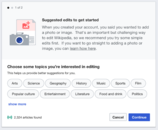 التراكب الأولي للإشارة إلى مواضيع الاهتمام (سطح المكتب)
 -
 وحدة اقتراح التعديلات إذا لم يختر المستخدمون موضوعا بعد
 -
 الحوار لتنصيب المواضيع (سطح المكتب)
 -
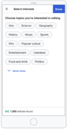 الحوار لتنصيب المواضيع (الجوال)


إصدار 1.2: التوجيه
Guidance was deployed on 2020-06-15. For a guide to translating the messages in this feature, see this page.
After newcomers have selected an article from the suggested edits module, they should receive guidance about how to click edit and complete the edit successfully. While it is exciting that some portion of newcomers are completing suggested edits without guidance, we're confident that by adding guidance, we will substantially increase how many newcomers edit.
We decided to repurpose the help panel as the place to deliver this guidance. Reusing the help panel will allow us to build quickly. The guidance contains three phases:
- When the user has arrived on the article and before they click edit.
- After clicking edit and before saving an edit.
- After saving an edit.
Some of the ideas we considered implementing included:
- Guidance tailored to each type of edit, varying depending on whether the suggested edit is a copyedit, adding links, adding references, etc.
- Reminder that an edit can be small, and that the user does not have to edit the whole article.
- Step-by-step walkthrough that is like a checklist for completing the edit.
- Highlighting the maintenance templates in the article so that the user can see why the article was suggested.
- An indicator that encourages the user to click the edit button.
- A place to put videos that demonstrate how to complete the edit.
- Suggestions for additional edits after saving the initial edit.
- Ability for the user to notify their mentor that they have done an edit, so the mentor can check their work and thank them.
During the last week of December 2019, we user tested desktop and mobile prototypes, which can be found below. We will post the user test results after assembling them.
Below are some images of the prototype:
-
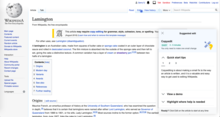 Help panel displaying guidance before clicking edit on desktop
 -
 Overlay after saving an edit on desktop
 -
 Help panel "peeking" from bottom of page on mobile
 -
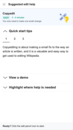 Help panel contents on mobile


Variant testing
After deploying the first version of newcomer tasks, we want to start testing different variants of the feature, so that we can improve it iteratively. Rather than just having one design of newcomer tasks, and seeing if newcomers are more productive with it than without it, we plan to test more than variant of newcomer tasks at a time, and compare them. We have compiled an exhaustive list of all the ideas of variants to test -- but we will only end up testing perhaps 10 per year, because of the effort and time it takes to build, test, and analyze.
In March, April, and May 2020, we'll be testing variants that aim to get more users into the newcomer tasks flow.
See this page for the list of variant tests and their results.
القيس والنتائج
الاختبار المراقب
خلال شهر ديسمبر/كانون الأول 2020، نشرنا نتائج الاختبار المراقب الذي أظهر أن لمهام الوافدين الجدد تأثيرا إيجابّا على المشاركة. هذه أهمّ النتائج، والتي ستعطينا الثقة في أنّ هذه المزايا يجب تعميمها على ويكيات أخرى. شاهدوا هذه الصفحة للمزيد من التفاصيل.
الاستخدام
Starting in December 2019, we have been tracking several key metrics from newcomers tasks. The graphs shown in this section are our main charts of those metrics as of 2020-08-17.
Summary
Since deploying newcomer tasks in November 2019, we have seen steady increases in both the number of edits from the feature and the number of editors using the feature. These increases are due to two elements: (a) improvements to the feature, and (b) expanding the feature to more wikis.

Specific charts
Conversion funnel: the first graph is the most important to our team. Each line shows how many newcomers arrive at each stage of our "conversion funnel", meaning how far they progress into the newcomer tasks workflow, as a percentage of newcomers who visit their homepage. We want the users to move through the stages of (1) interacting with the module (blue), (2) selecting an article (red), (3) clicking edit on the article (orange), (4) saving an edit (green). In general, we want to see all the lines go up.
- Since the early days of the feature, the percentage of users who have clicked edit and who have saved edits have steadily gone up. In January 2020, something like 2% of newcomers who visited their homepage saved a suggested edit. In August 2020, that has grown to 5.3%, which is more than double.
- In August, almost all users who selected a task clicked edit, which can be seen by the closeness of the red and orange lines.
- We think that these improvements are due to the two major features we deployed between January and August: topic matching (which allows newcomers to find more interesting articles) and guidance (which encourages them to click edit and explains how to complete the edit).
Edits: the second graph shows the number of newcomer task edits completed each week, with a separate line for each wiki and a "total" line in black. From December to August 17, there have been 15,126 edits completed through newcomer tasks. It is clear that this has grown over time, which is certainly to be expected because we have gone from 4 wikis to 12 between January and August.
But looking at the individual wikis' lines, it is possible to see growth over time.

- It is common for the number of suggested edits completed each week on a wiki to vary a lot. One of the reasons is that a small number of enthusiastic newcomers can create dozens or hundreds of edits in a short time, but then may not be on wiki on other weeks.
- Arabic Wikipedia, being one of the largest wikis that has the feature, consistently creates the most edits.
Editors: in addition to tracking the number of edits, we also want to make sure that increasing numbers of newcomers are participating. The third graph shows the number of users completing newcomer tasks each week, broken out by wiki.

- Similarly to the graph of edits, this number also has increased steadily, and the addition of new wikis (such as French Wikipedia on week 21 and Persian Wikipedia on week 32) are clearly visible.
- We believe that the effect of "guidance" is visible. This was released before week 25. There have been over 100 users of newcomer tasks every week since its release, whereas only three weeks had previously reached that level.
جودة التعديل
راجع سفراء فريق النمو أكثر من 300 تعديل تم حفظها من قِبل الوافدين الجدد وقاموا بتحديد ما إذا كان كل تعديل كان منتِجًا أم لا (أي أنه حسّن المقالة). يسعدنا أن نرى أن حوالي 75% من التعديلات هي تعديلات بنّاءة. يشبه هذا المعدل الأساسي لتعديلات الوافدين الجدد، ويسعدنا أن هذه الميزة لم تشجع على التخريب. معظم عمليات التحرير عبارة عن نسخ التحرير، مع إضافة العديد من الروابط أيضًا، وبعضها يضيف محتوى ومراجع. يواصل حوالي ثلث المستخدمين الذين يقومون بإجراء تعديلات مقترحة إجراء تعديلات مقترحة إضافية، كما يواصل العديد منهم إجراء تعديلات غير مقترحة من قبل هذه الميزة، وهو سلوك تسعدنا ملاحظته.
المستوى الرفيع للتعديلات التي نشاهدها تشجعنا على تحسين الميزة، مما سيفضي إلى بدء الوافدين الجدد للمهام واتمامها عبر مسار العمل.